Nexlla·Studio·Cloud-based·Loading

00 / 100

Brand identity design UAE GCC Syria MENA

Brand identity design, built layer by layer

Brand identity design is the work of deciding what a company stands for and turning that decision into a system people recognise: a strategy, a name and voice, a mark, a visual system and the touchpoints that carry it. Nexlla builds all five layers, in Arabic and English, for companies in the UAE, Saudi Arabia, Qatar, Kuwait, Bahrain, Oman, Syria and the wider MENA region.

Most identity problems we are asked to fix started as a logo commissioned on its own. We work from the foundation up, so each layer has something solid to rest on.

Five plates, one identity: strategy at the base, touchpoints on top.

Anatomy of an identity

What a brand identity actually contains

Ask five studios what an identity includes and you will get five different lists. Here is ours, from the bottom layer up. Every layer rests on the one beneath it, which is why a logo drawn before anyone agreed on the strategy so often has to be redrawn a year later.

  1. Layer 01

    Strategy the foundation

    The decisions every later layer has to obey: who the brand serves, which competitors it must stand apart from, what it promises and what it will not promise. In this region one company may sell to government buyers in Abu Dhabi, families in Riyadh and diaspora customers from Syria at the same time, so this layer also decides which audience the identity addresses first.

    • Positioning statement
    • Audience map by market
    • Competitor landscape
    • Brand promise and proof points
  2. Layer 02

    Verbal identity what the brand says

    Name, tagline, tone and the vocabulary the brand uses or avoids. For a new name we check meaning, pronunciation and unwanted associations for Gulf, Levantine and Egyptian readers, and whether usable domains and social handles exist. We recommend a trademark search with a local lawyer before you commit. For an established name, the work is mostly voice: how the company sounds in a proposal, a WhatsApp reply and a job advert.

    • Naming shortlist (new brands)
    • Tagline routes
    • Tone-of-voice guide
    • Messaging hierarchy
  3. Layer 03

    Visual identity how the brand looks

    The mark and everything that frames it: logo suite, colour, typography, image style, icons and layout principles. This is the layer people picture when they hear “branding”, and it is the one that suffers most when the layers underneath are skipped.

    • Primary logo, lockups and symbol
    • Palette with accessible colour pairs
    • Type scale
    • Photography and illustration direction
    • Icon family
  4. Layer 04

    Bilingual system Arabic and English as equals

    Not a translation of layer three but its second half. Arabic and Latin letters differ in proportion, rhythm and reading direction, so the system fixes how lockups flip for right-to-left pages, which numerals each market sees, how icons mirror, and how a page that mixes both languages is composed without one script crowding the other.

    • Paired Arabic and Latin typefaces
    • RTL and LTR lockups
    • Mirroring rules
    • Mixed-language layout examples
  5. Layer 05

    Governance how the brand stays intact

    The layer that protects the other four after launch: guidelines, templates, an organised asset library and a named person who approves exceptions. Without it a brand drifts within months, as new staff, printers and freelancers each improvise.

    • Guidelines in PDF and web form
    • Template library
    • Asset naming and storage
    • Approval workflow
    • Design tokens for developers

Decision panel

Rebrand or refresh? Tick what is true

Not every tired brand needs replacing. A refresh keeps the recognition you have earned and fixes what is broken. A rebrand changes what the company stands for or how people recognise it. Tick each statement that describes your business today.

Points to a refresh
Points to a rebrand
Tick a statement to see where you lean.

Either way, the first step is the same: an audit of what you already own, so nothing with real recognition is thrown away by accident.

Identity in use

One rebrand from the base plate up, and two brands carried onto screen

The first project is a full rebrand: the parent identity for a group with several lines of business. The other two show the top layer at work, where an existing brand had to hold up inside a website people use every day. Each one changed how we build identity systems.

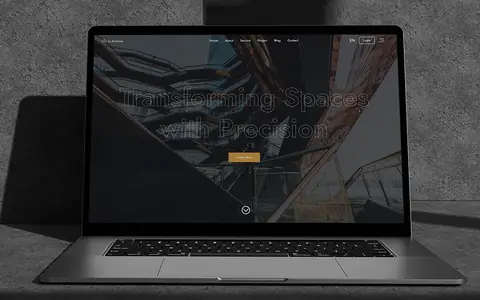
The AlRiyada Group identity applied to its corporate website
Location
Muscat, Oman
Layer in focus
Brand architecture

AlRiyada Group

A rebrand for a corporate group with several business activities. The parent brand had to read as one authoritative company across every service line and stay composed as new services and markets are added, so the work began with how the group presents itself before the website was built around it.

The lesson: In a multi-service group the hardest identity decision is architecture: what belongs to the parent and what each activity may own. Settle that first and the visual system can stay quiet across all of them.

Read the AlRiyada Group case study
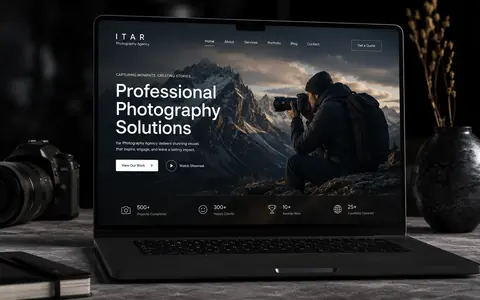
The Itar Agency showcase website on a laptop
Location
Muscat, Oman
Layer in focus
Touchpoints

Itar Agency

An agency’s own brand carried into its showcase website, where the site itself had to stand as evidence of the agency’s craft and guide visitors from first impression to enquiry.

The lesson: Credibility is decided in the first seconds, so an identity system must define hierarchy, spacing and restraint, not only a logo.

Read the Itar Agency case study
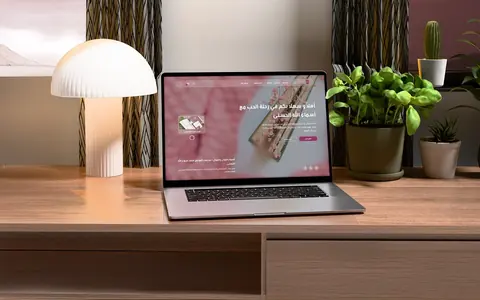
The revised Dreamoro Book website in Arabic on a laptop
Location
Kuwait
Layer in focus
Refresh logic

Dreamoro Book

A revision of a book platform and marketplace that serves readers, authors, publishers and buyers. We kept what existing users already knew and concentrated change where clarity paid off most.

The lesson: Evolution that respects familiar cues is often worth more than a blank page, which is the whole logic of a refresh.

Read the Dreamoro Book case study

More rebrands: Superlaundry in Muscat and ER Law Firm in Dubai, both of which came back to us for a second project. Their brand books are laid out on our Dubai branding page.

Scope and cost

Three ways to commission identity work

For a new company

Foundations

A short strategy, a name check, the mark, a core palette and type pairing, and starter templates.

Usually two to four weeks.

For a brand with equity to keep

Refresh

An audit, a keep-and-fix list, redrawn assets, a fuller bilingual system and updated guidelines.

Timing depends on how many touchpoints need updating.

For a change of direction or a group

Rebrand or brand architecture

All five layers, plus sub-brands or product lines and a rollout plan across markets.

Usually four to eight weeks, longer for multi-brand groups.

What moves the quote

  • How many of the five layers you need
  • Whether naming is in scope
  • How many markets and languages the identity must serve
  • How many sub-brands or product lines sit under the parent
  • How many touchpoints we design: signage, vehicles, packaging, digital
  • How much research you want: stakeholder interviews, customer conversations

Every identity project is quoted per project, in writing, after a short brief. Clients pay by Visa, Mastercard, bank transfer, PayPal and other methods.

Once the identity is signed off, the website is usually next. Our guide to website costs in the UAE and GCC explains what drives that budget, and our comparison of WordPress, Shopify and custom builds helps you pick the platform the brand will live on.

Building order

Bottom plate first

  1. Discover

    Stakeholder interviews, an audit of current assets and a scan of competitors in each country you sell in.

  2. Define

    Strategy and verbal identity are written and signed off before any logo is sketched.

  3. Design

    Two or three visual directions, each shown on real touchpoints and in both scripts, so you choose by seeing it in use.

  4. Systemise

    The chosen direction becomes rules: bilingual lockups, templates and tokens your developers can use.

  5. Hand over

    Guidelines, source files, font licence guidance and a walkthrough with the people who will use the system every day.

Source files and intellectual property transfer to you on delivery.

Questions

Brand identity, answered

What is included in brand identity design?

At Nexlla, five layers: strategy, verbal identity (name, tagline, voice), visual identity (logo, colour, type, imagery), a bilingual Arabic and English system, and governance (guidelines, templates, asset library). Smaller projects may cover only some of them.

How is a brand identity different from a logo?

A logo is one element of layer three. The identity is the whole system that decides how the company looks, sounds and behaves across every touchpoint, and it is what keeps the logo from being used inconsistently.

How long does a brand identity project take?

A foundations project for a new company usually takes two to four weeks. A full rebrand usually takes four to eight. Groups with several brands or product lines should expect longer.

How much does brand identity design cost?

It is quoted per project after a short brief. The main drivers are how many layers you need, whether naming is included, how many markets and languages are involved and how many touchpoints we design.

Do you design identities in Arabic and English?

Yes. The bilingual system is its own layer, so Arabic and English lockups, type pairing, numerals and mirroring rules are designed together rather than added at the end.

Should we refresh our brand or rebrand?

Refresh when customers already recognise you and the positioning still fits. Rebrand when the business, the name or the market has changed. Use the decision panel on this page, then start with an audit either way.

Do you work with companies outside the UAE?

Yes. Nexlla was founded in Dubai and works remote-first with clients across the GCC, Syria and the wider MENA region. Projects in our portfolio include Muscat, Cairo and Kuwait.

Who owns the files at the end?

You do. Source files and intellectual property transfer to you on delivery, together with the guidelines and templates your team needs.

Where to go next

Hiring in Dubai?

For on-the-ground engagements in Dubai, see our branding agency in Dubai page, or logo design in Dubai if you only need the mark.

Next discipline

Creative and graphic design: the campaigns and content an identity feeds.

Start with the bottom plate

Send us a few lines about your business, your markets and what feels wrong with the current brand. We reply with the layers we think you need and a written quote.

End of issue · 2026.05

Time to feel the Nexlla Gen.

Got a big idea? Say hi to unlock creativity and innovation for your seamless project — from the first sketch to the production deploy.