
Customer apps
Booking, ordering, quotes, live status and history, in Arabic and English. At Elite Motors customers book several services in one visit, follow the car, read inspection reports and approve quotes.
We value your privacy
We use essential cookies to run this site and privacy-friendly analytics to measure traffic (you can switch it off below). Marketing cookies are only used with your permission. See our Cookie Policy and Privacy Policy.
Nexlla·Studio·Loading
Mobile app development · Oman
Nexlla is a mobile app development company working with businesses across Oman. We design and build iOS and Android apps in Arabic and English, together with the staff portals and backends that run them, and the source code transfers to you.
What we build
An app is only as good as what sits behind it: the staff screens, the data and the notifications. We build all of it, so customers, staff and managers see the same truth.
Booking, ordering, quotes, live status and history, in Arabic and English. At Elite Motors customers book several services in one visit, follow the car, read inspection reports and approve quotes.
Job cards, checklists, photos, video and voice notes for teams away from a desk, like the Elite Motors crew app for technicians.
The web portal your team runs the business from, with roles, branches, schedules and reports, plus the APIs both apps depend on.
Interfaces designed for wide areas and uncertain connectivity, as on the Arabian Oryx Hema monitoring system and its companion mobile app.
Listings, screenshots, privacy details and review submissions for the App Store and Google Play, published under your own developer accounts.
OS updates, crash monitoring and a steady release rhythm after launch, on an optional retainer.
Every app project includes
How a project runs
Workshops and demos run on Google Meet or Zoom during Gulf working hours, and you install test builds on your own phone throughout. How we work, in detail.
Who uses the system (customers, staff, managers) and the one flow that must work first. The result is a written scope with a fixed first milestone.
A clickable prototype in Arabic and English that you can put in front of real users before any code is written.
Cross-platform (React Native or Flutter) for most business apps; native Swift and Kotlin when the app leans heavily on device hardware. We recommend one in writing.
App, portal and backend built together in short sprints, with a test build after each one.
Store listings, privacy answers and review submissions handled for you, under your developer accounts.
Monitoring in the first weeks, then handover of the code and runbook, or an ongoing release plan.
Work in Oman
Each case study below is Nexlla work for an organisation in Oman, connecting mobile access to the system behind it.
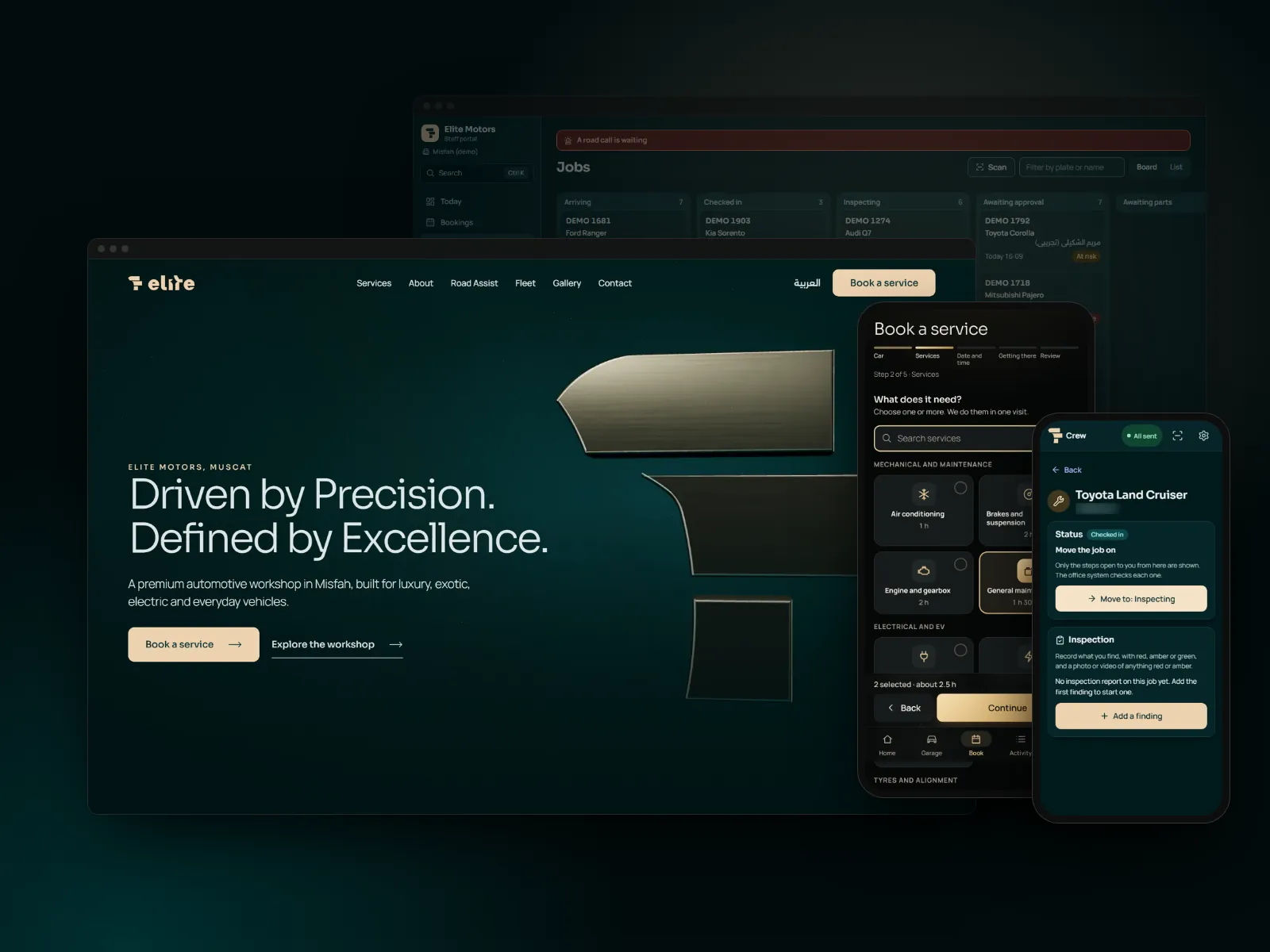 Muscat · Customer & crew apps
Elite Motors
A customer app for Android, a crew app for technicians, a staff portal and a bilingual website, built as one system for a Muscat car service workshop.
Read the case study
 Oman · IoT, web & mobile
Arabian Oryx Hema
A monitoring platform that links field sensors to dashboards and a companion mobile app, designed for roughly 50 kilometres of remote terrain and intermittent connectivity.
Read the case study
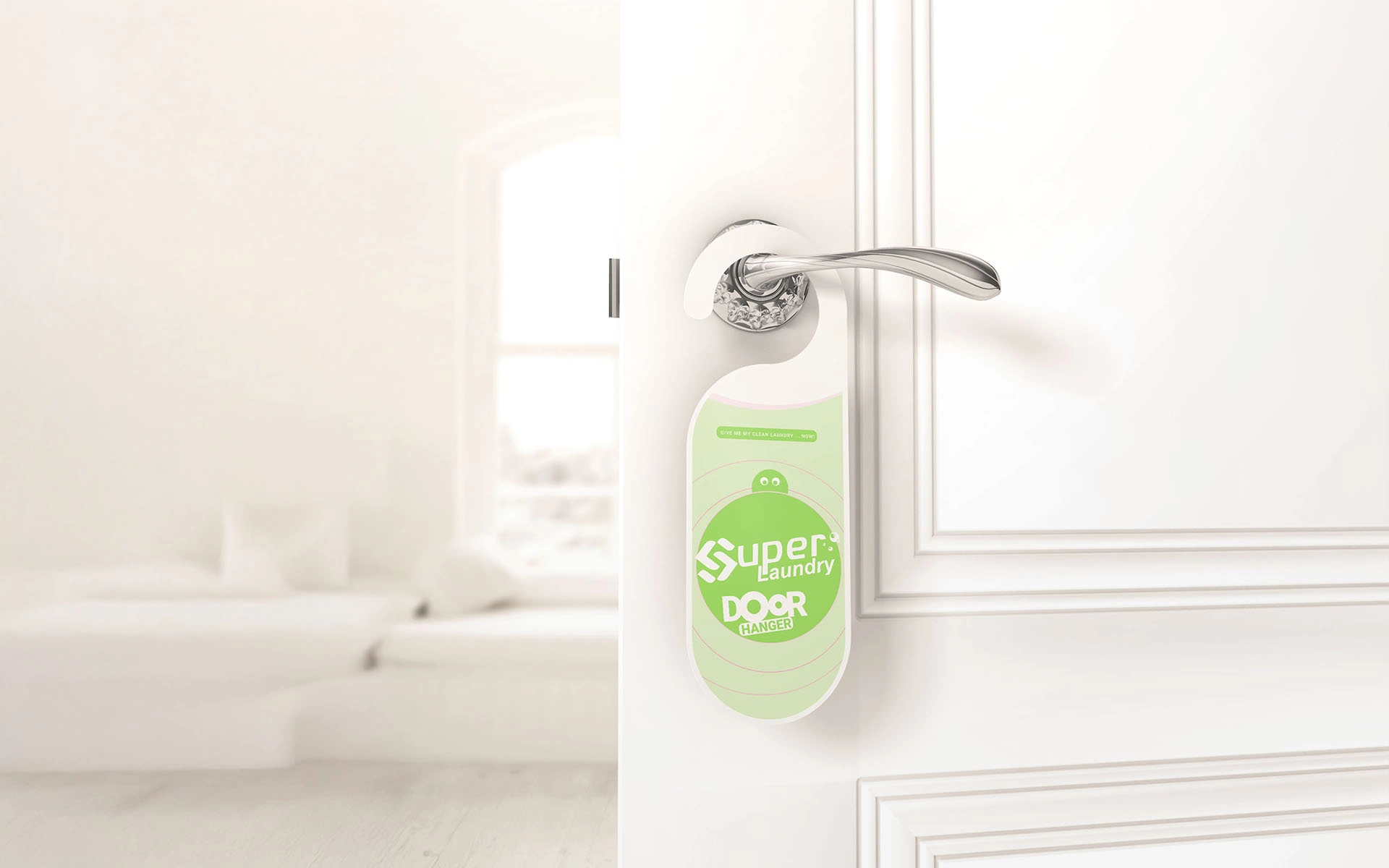 Muscat · Customer portal
Superlaundry
A customer-journey portal for pickup requests, live order tracking and delivery visibility, built with the brand refresh for a premium laundry.
Read the case study
Budgets and timelines
Every app is quoted per project, because roles, integrations and the size of the backend change the price more than the number of screens. You get a written quote after discovery. These are the timelines we plan to.
6–10 weeks
A cross-platform app focused on the flow that proves the idea, with a simple admin.
3–6 months
Customer app, staff tools, portal and backend, launched on both stores.
8–16 weeks a phase
Payments, integrations and new roles added in phases after launch.
You can pay Nexlla by Visa, Mastercard, bank transfer, PayPal or another method that suits you. For typical market ranges, read our guide to app development costs in the UAE and GCC; the same cost drivers apply in Oman.
FAQ
A cross-platform MVP with one core flow typically takes 6 to 10 weeks. A full product across mobile, web and backend usually takes 3 to 6 months. The timeline is fixed in your written plan.
Every app is quoted per project. User roles, integrations and the backend drive the price more than the number of screens. Read the app cost guide.
For most business apps, cross-platform with React Native or Flutter is the better use of budget, with one codebase for iOS and Android. Native Swift and Kotlin make sense when the app depends heavily on device hardware. We recommend one in writing before the build.
Yes. Screens are designed right-to-left from the start, with Arabic typography, numbers and dates handled correctly, and users can switch language inside the app.
We prepare and submit the listings, but under your own developer accounts, so the apps, reviews and download history belong to your company.
Yes, if it is planned from the start. We decide what must work offline and how data syncs when the connection returns, as we did for field teams on the Arabian Oryx Hema platform.
You do. The source code, the backend and the store listings transfer to you on delivery, together with a runbook.
Tell us who will use it and what they need to do. We will reply within one business day with questions, then a written scope, a timeline and a quote.
End of issue · 2026.05
Got a big idea? Say hi to unlock creativity and innovation for your seamless project — from the first sketch to the production deploy.