

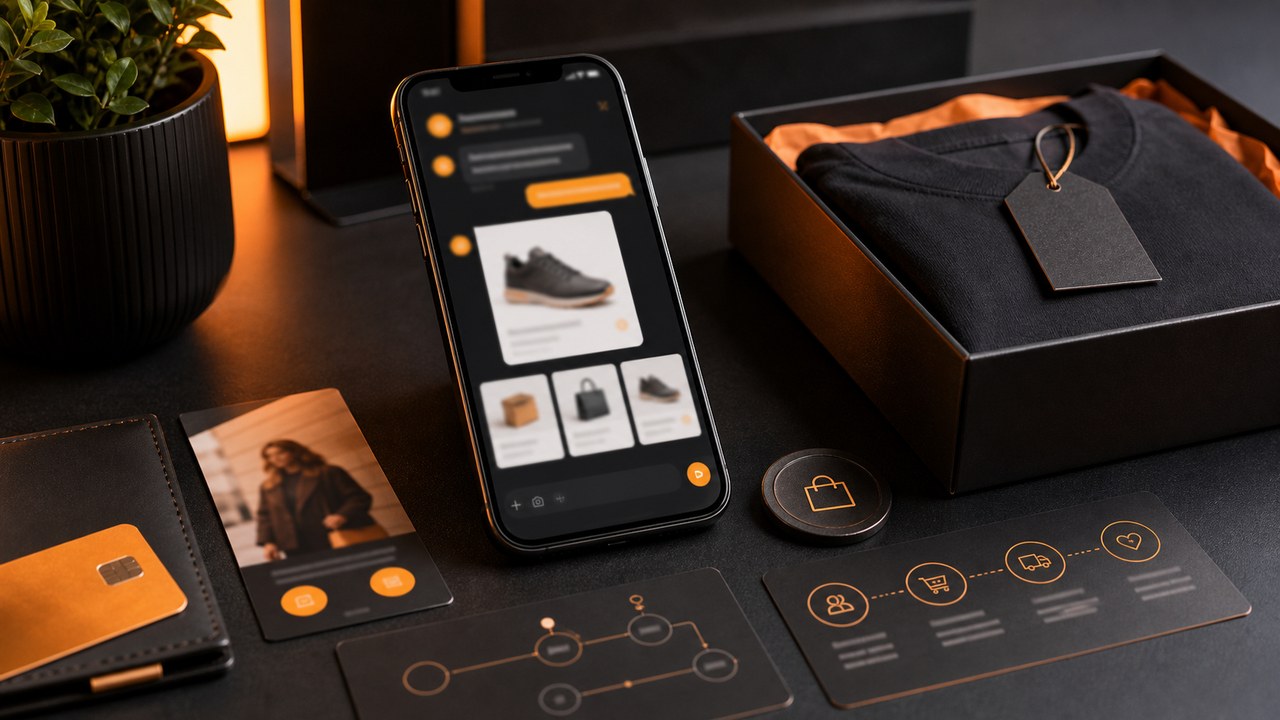
Customer engagement is moving into the message thread. For years, businesses treated messaging as a support channel or a basic notification tool. Now RCS business messaging, WhatsApp-style conversations, SMS automation, mobile CRM, and conversational commerce are becoming part of the core revenue strategy. Customers want fast answers, useful recommendations, order updates, appointment reminders, product guidance, and simple next steps without moving through a slow website flow every time.
The opportunity is especially strong because messaging is high-intent. A customer who opens a product message, asks a question, confirms an appointment, tracks an order, or responds to a personalized offer is closer to action than a passive social media viewer. For businesses, the challenge is to turn that engagement into a connected system rather than another disconnected channel.
Why RCS Business Messaging Is Different
RCS, or Rich Communication Services, upgrades traditional text messaging with richer experiences such as branded sender profiles, product-style cards, buttons, images, suggested replies, and more interactive flows. When used well, it can feel closer to a lightweight app experience inside the messaging inbox.
For brands, this matters because customers already live on mobile. A well-designed RCS or conversational commerce flow can reduce friction between interest and action. Instead of sending a customer to search through a website, the business can guide them toward the next useful step: view a product, book a service, claim an offer, reorder, answer a question, confirm delivery, or speak with a team member.
Conversational Commerce Is A CRM Strategy
The strongest engagement programs do not treat messaging as a standalone campaign. They connect it to CRM data, ecommerce behavior, customer service history, and lifecycle stage. That connection is what turns a message from a broadcast into a relevant customer journey.
For example, a first-time buyer may need onboarding and product education. A repeat buyer may respond better to replenishment reminders or loyalty benefits. A high-value lead may need a consultation prompt. An inactive customer may need a win-back flow. A support customer may need proactive follow-up after an issue is resolved.
High-Value Use Cases
- Lead capture: Convert website visitors, ad clicks, and social inquiries into CRM records with clear follow-up flows.
- Product discovery: Help customers compare options through guided messaging instead of forcing them to search manually.
- Abandoned cart recovery: Send timely, useful reminders with product context and easy checkout paths.
- Appointment and service reminders: Reduce missed appointments while improving customer convenience.
- Loyalty engagement: Deliver rewards, personalized offers, reorder prompts, and VIP experiences through mobile messaging.
- Customer support automation: Answer common questions quickly while routing complex cases to the right human team.
What Businesses Need Before Launching
Messaging channels can perform extremely well, but only when the foundation is right. Poorly managed automation can feel intrusive, repetitive, or disconnected. Customers should feel that the business is helping them, not chasing them.
A professional engagement setup needs consent management, customer segmentation, message timing rules, CRM integration, analytics, escalation paths, and content that sounds natural. It also needs technical architecture that can connect websites, landing pages, ecommerce platforms, inventory, booking tools, support systems, and marketing automation.
Why This Creates A Lead-Generation Advantage
Most companies still think of lead generation as a form submission. Messaging creates a more flexible path. A customer can ask a question, select an option, request pricing, schedule a call, get a recommendation, or receive a quote inside a conversational flow. That can reduce hesitation and make the next step feel easier.
For service businesses, this can improve consultation bookings and response speed. For ecommerce brands, it can increase repeat purchases, cart recovery, product education, and loyalty participation. For B2B companies, it can support qualification, onboarding, account management, and event follow-up.
How Nexlla Builds Engagement Systems
Nexlla helps businesses design customer engagement systems that connect messaging, CRM, ecommerce, websites, automation, analytics, and customer experience. The goal is not to add another channel for the sake of it. The goal is to build a measurable journey where every conversation has a purpose and every useful signal improves the next interaction.
That can include CRM setup, WhatsApp Business and messaging workflows, RCS-ready journey planning, ecommerce automation, customer segmentation, landing page integration, dashboard reporting, lead routing, and lifecycle campaigns for acquisition, onboarding, retention, and reactivation.
The Takeaway
RCS business messaging and conversational commerce are becoming more than communication tools. They are turning into high-intent engagement channels that can connect customer attention directly to action. The businesses that win will not be the ones sending the most messages. They will be the ones creating the most useful conversations.
In 2026, engagement belongs to brands that meet customers where they are, respond with relevance, and connect every conversation back to a smarter customer journey.
Discussion
Join the conversation
Comments are moderated. We approve everything that's on-topic.
Leave a reply