

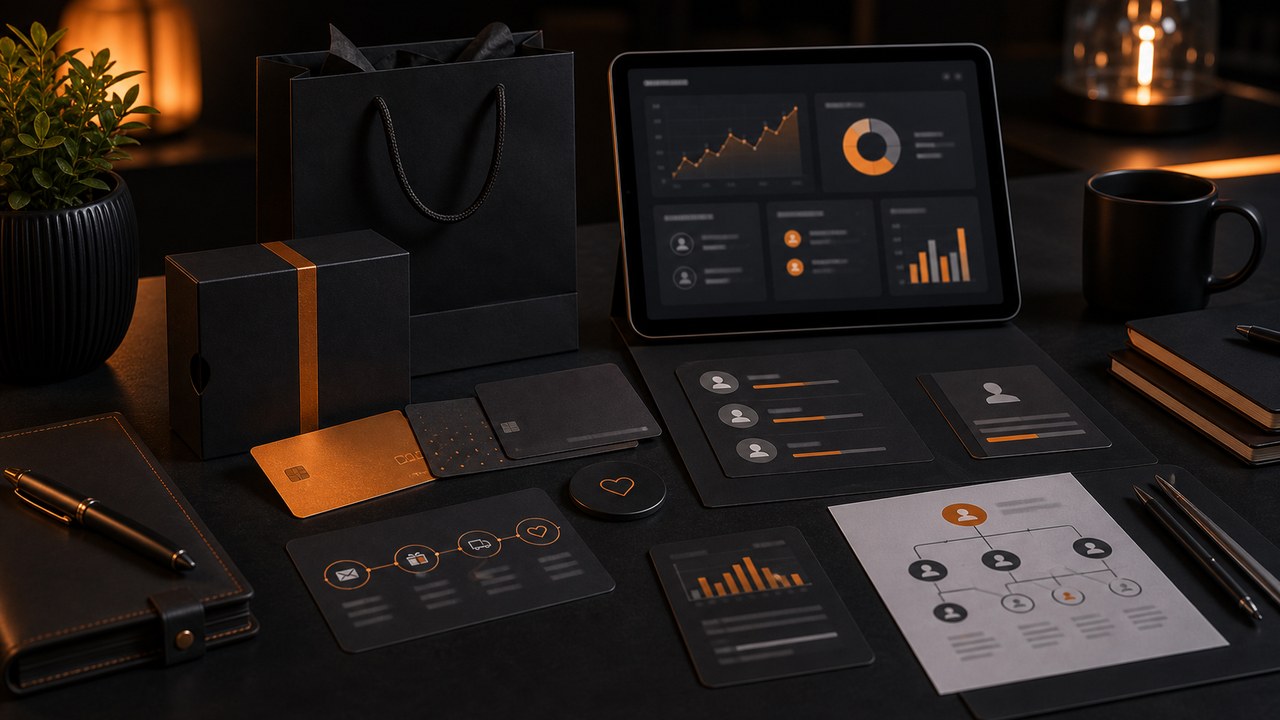
Loyalty personalization is becoming a revenue system, not just a marketing tactic. Business Insider?s 2026 coverage of innovative marketing leaders highlights how major brands are using loyalty, personalization, and customer data to build stronger relationships in a crowded market. The lesson for growing businesses is clear: engagement is no longer won by sending more messages or larger discounts. It is won by understanding customers better and responding with relevance.
For many companies, loyalty programs still operate like simple points systems. A customer buys, earns a reward, and receives a generic promotion. That model can create activity, but it does not always create durable engagement. The next stage is loyalty connected to first-party CRM data, customer segments, lifecycle stage, product interest, support history, and real business goals.
Why First-Party CRM Data Is The Foundation
Personalization depends on trustworthy data. If a company?s customer information is scattered across ecommerce, website forms, email tools, support inboxes, sales spreadsheets, and analytics platforms, personalization becomes inconsistent. Customers receive irrelevant offers, teams miss follow-up opportunities, and leadership cannot see which journeys create repeat revenue.
A strong CRM creates a shared customer view. It connects where the customer came from, what they bought, what they asked, what they clicked, what they prefer, and where they are in the lifecycle.
From Discounts To Relationships
Discounts can be useful, but they should not be the entire loyalty strategy. A better approach combines value, timing, trust, and convenience. Customers stay engaged when the brand makes their next step easier, recognizes their context, and offers something genuinely useful.
High-Value Loyalty Personalization Ideas
- Lifecycle journeys: Different experiences for new leads, first-time buyers, loyal customers, inactive customers, and VIP accounts.
- Product-based segments: Recommendations and education based on what the customer owns, uses, or browses.
- Service reminders: Timely prompts for renewals, refills, appointments, support, or upgrades.
- Exclusive access: Member-only content, early launches, events, consultations, or premium support.
- Retention dashboards: Reporting that connects engagement activity to repeat purchase, churn risk, referrals, and customer lifetime value.
Why This Matters For Lead Generation
Engagement does not only happen after purchase. Loyalty-style thinking can improve lead generation too. A prospect who downloads a guide, compares services, submits a form, or visits a pricing page is giving the business a signal. When that signal enters the CRM properly, the company can follow up with the right message, not a generic blast.
This is especially powerful for service businesses, ecommerce brands, and B2B companies where the buyer journey takes more than one touchpoint. The CRM becomes the memory of the relationship, and automation helps the team respond at the right moment.
How Nexlla Helps Build Engagement Systems
Nexlla helps businesses turn customer engagement into measurable infrastructure. That can include CRM implementation, ecommerce integration, loyalty journey design, customer segmentation, marketing automation, custom web applications, analytics dashboards, website content strategy, and workflow automation.
The goal is to build a system where every interaction improves the next one. When data, content, automation, and human service work together, loyalty becomes more than rewards. It becomes a growth engine.
The Takeaway
The brands that win engagement in 2026 will not be the ones with the loudest campaigns. They will be the ones that understand customer context and use it responsibly to create better experiences.
Loyalty personalization works best when CRM data, automation, and customer experience are designed as one connected revenue system.
Discussion
Join the conversation
Comments are moderated. We approve everything that's on-topic.
Leave a reply