

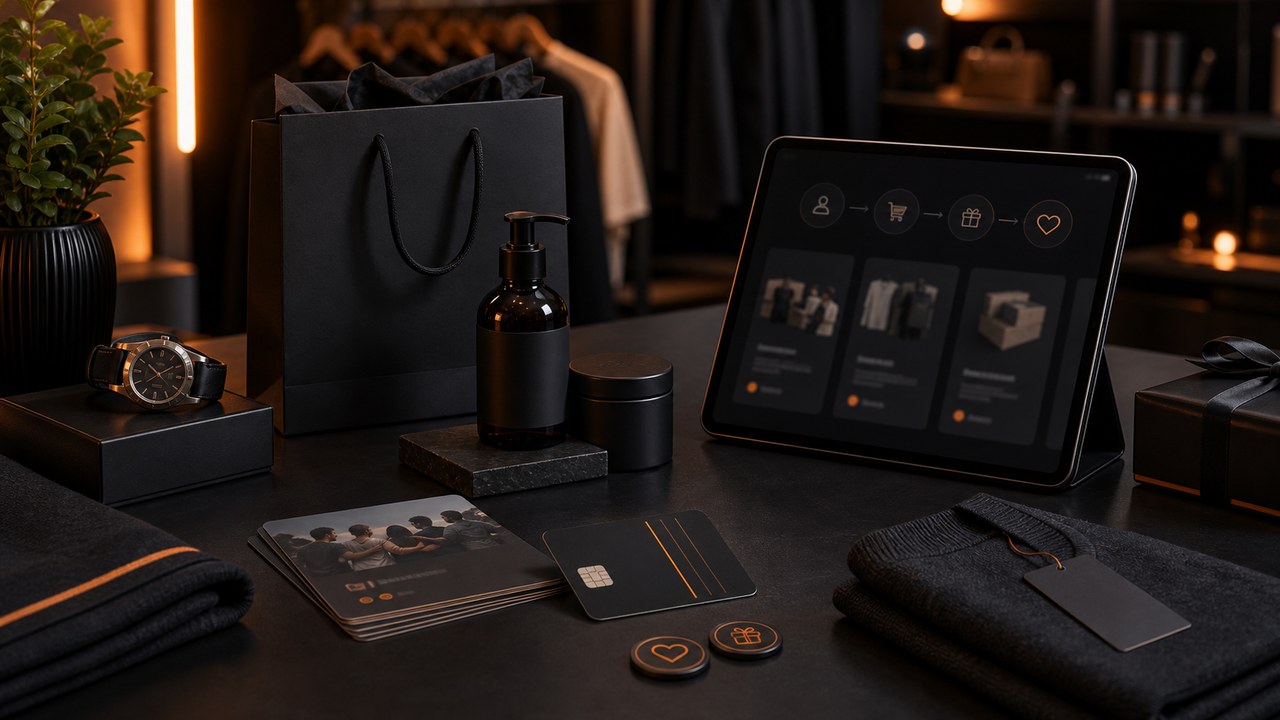
Retail growth is becoming human again, but not in the old-fashioned sense. The brands winning attention in 2026 are combining digital convenience with real community, richer customer understanding, better service, and experiences that feel personal without feeling invasive. In a market crowded with ads, algorithms, marketplaces, and discount cycles, human-centered retail is becoming a serious engagement strategy.
Recent retail and marketing conversations show the same pattern: brands are looking for ways to rebuild loyalty, deepen customer relationships, and create reasons for people to return beyond price. That is where brand communities, first-party CRM data, personalized journeys, loyalty programs, and experience-led ecommerce become commercially powerful.
Why Engagement Needs More Than Discounts
Discounts can create short-term activity, but they rarely build durable loyalty by themselves. Customers return when they feel understood, supported, rewarded, and connected to a brand?s value. A strong engagement strategy gives customers a reason to come back even when a competitor is one click away.
This is especially important for ecommerce and service brands. Acquisition is expensive, paid channels are crowded, and privacy changes make low-quality targeting less reliable. The most resilient growth comes from customers who already know the brand and have a reason to stay connected.
The Rise Of Brand Communities
A brand community is not just a social media audience. It is a structured relationship between the business and its customers. That relationship can include product education, member benefits, events, early access, expert content, loyalty rewards, referrals, support, user-generated insight, and personalized recommendations.
When connected to a CRM, community activity becomes even more valuable. The business can understand which customers are most engaged, what products or services they care about, which content moves them forward, and which signals indicate readiness to buy, renew, refer, or upgrade.
What Human-Centered Engagement Can Include
- First-party customer profiles: CRM records that connect website activity, purchases, preferences, support history, and consent.
- Lifecycle journeys: Different experiences for new leads, first-time buyers, loyal customers, inactive customers, and high-value accounts.
- Community touchpoints: Events, content, product education, referral paths, exclusive drops, or expert sessions.
- Experience-led ecommerce: Product pages, checkout flows, post-purchase emails, and support journeys designed for confidence and trust.
- Retention dashboards: Reporting that connects engagement activity to repeat purchase, referrals, lifetime value, and churn risk.
First-Party CRM Is The Engagement Engine
The companies that understand their customers best will have a major advantage. But that understanding has to come from clean, permission-based, first-party data. A disconnected stack makes engagement harder: website forms sit in one tool, ecommerce orders in another, support tickets somewhere else, and marketing campaigns in a separate platform.
When CRM becomes the center of the engagement strategy, teams can act with better context. Sales knows where a lead came from. Marketing knows which segment should receive which message. Support sees customer history. Leadership sees which channels and journeys actually generate repeat revenue.
How This Creates Leads And Repeat Revenue
Human-centered engagement is not soft branding. It can drive measurable commercial outcomes. A strong community can create referrals. A better CRM can improve follow-up speed. Personalized journeys can increase conversion. Loyalty programs can raise repeat purchase rate. Better onboarding can reduce churn. Better post-purchase experiences can create reviews, referrals, and upsells.
The key is to design the engagement system intentionally. Every touchpoint should have a clear purpose: educate, reassure, convert, retain, reactivate, or deepen the relationship.
How Nexlla Helps Brands Build Engagement Systems
Nexlla helps businesses connect brand strategy with the digital systems that make engagement measurable. That can include CRM implementation, ecommerce development, loyalty architecture, customer portals, marketing automation, analytics dashboards, website content strategy, and workflow automation.
For a retail brand, that might mean connecting ecommerce data to CRM, creating segmented lifecycle campaigns, building member-only landing pages, designing loyalty journeys, and reporting on repeat revenue. For a service business, it might mean better lead qualification, consultation follow-up, client onboarding, referral workflows, and account engagement dashboards.
The Takeaway
The next stage of engagement will not be won by brands that send more noise. It will be won by brands that build clearer relationships. Human-centered retail combines the warmth of community with the precision of CRM, analytics, and automation.
The strongest growth engine is not only traffic. It is a customer relationship that keeps becoming more useful over time.
Discussion
Join the conversation
Comments are moderated. We approve everything that's on-topic.
Leave a reply