

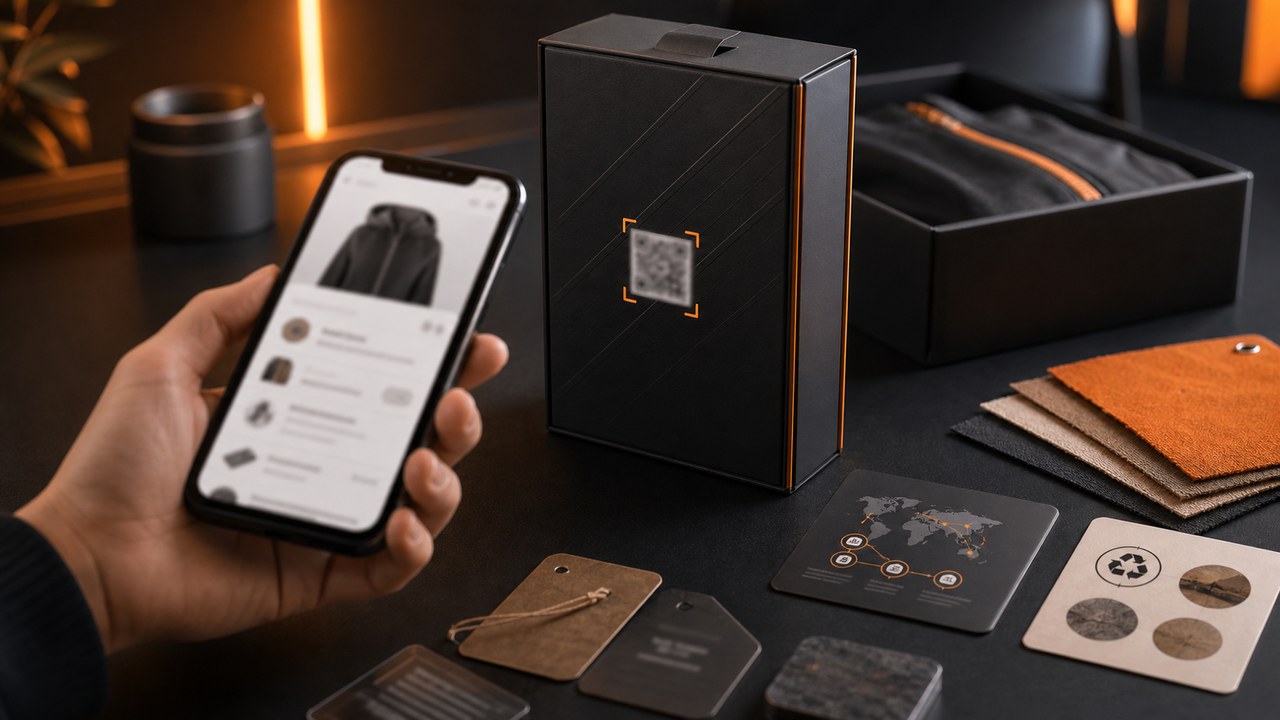
Digital Product Passports are about to change how customers, regulators, retailers, and brands interact with products online. What may sound like a compliance topic is quickly becoming something more valuable: a new digital touchpoint that connects the physical product to a branded online experience.
The movement is being shaped by several forces at once. The European Union’s Ecodesign for Sustainable Products Regulation introduces the Digital Product Passport as a way to make product information more accessible across the value chain. GS1 is also pushing the retail industry toward richer 2D barcodes and QR-style product data experiences through its Sunrise 2027 initiative. For brands, manufacturers, distributors, and ecommerce businesses, the message is clear: product information is becoming a customer experience channel.
Why Digital Product Passports Are More Than Compliance
A Digital Product Passport can hold information about materials, origin, repairability, sustainability, authenticity, usage, recycling, warranty, care instructions, and product lifecycle data. In a basic implementation, that information may simply satisfy regulatory requirements. In a smarter implementation, it becomes a high-value digital experience.
When a customer scans a product, the brand can guide them to a fast, mobile-optimized product page with useful information and clear next actions. That page can support registration, warranty activation, loyalty enrollment, reorder flows, personalized offers, support requests, resale verification, and product education.
This is where the opportunity becomes bigger than a QR code. The product becomes an entry point into the customer relationship.
The New Ecommerce Touchpoint Hiding On The Package
Most ecommerce strategies focus on traffic before purchase: SEO, paid ads, landing pages, product listings, social campaigns, and marketplace visibility. Digital Product Passports create a different opportunity because they connect with the customer after the product is already in their hands.
That post-purchase moment is extremely valuable. The customer is already engaged. They have trust, intent, and context. If the digital experience is useful, the brand can turn one product interaction into a longer relationship.
What A Strong Product Passport Experience Can Include
- Product authenticity: Help customers verify that a product is genuine and reduce counterfeiting risk.
- Warranty and registration: Capture first-party customer data through a useful, consent-based experience.
- Care and usage guidance: Reduce support pressure by giving customers clear instructions at the exact moment they need them.
- Reorder and replacement flows: Make it easy to buy refills, accessories, services, spare parts, or upgrades.
- Loyalty and CRM integration: Connect product ownership to customer segments, journeys, and lifecycle campaigns.
- Sustainability and traceability: Show material, repair, recycling, sourcing, or compliance data in a clear customer-friendly format.
Why Brands Should Start Before The Deadline
Many companies will wait until Digital Product Passport requirements become unavoidable. That delay may create rushed, disconnected implementations. The smarter move is to treat the shift as a digital infrastructure project now.
Building this properly requires more than adding a QR code to packaging. Brands need clean product data, mobile-first web pages, secure hosting, analytics, CRM integration, consent management, and a content model that can scale across product lines, languages, markets, and retailers.
Companies that start early can use the transition to improve ecommerce performance, customer data quality, operational visibility, and brand trust before competitors treat it as another compliance checkbox.
High-Intent Opportunities For Ecommerce And Retail Businesses
Digital Product Passports can support multiple commercial goals at once. For ecommerce teams, they can improve product education, increase repeat purchases, and reduce friction after delivery. For marketing teams, they can create a privacy-first source of customer engagement. For operations teams, they can organize product data more consistently. For leadership, they can turn compliance readiness into a measurable growth asset.
The highest-value use cases are usually the ones that connect the passport to existing business systems:
- Product information management and inventory systems.
- CRM and marketing automation platforms.
- Ecommerce product pages and checkout flows.
- Customer support portals and ticketing systems.
- Analytics dashboards for scans, registrations, repeat purchases, and engagement.
- Authentication or ownership verification for premium products.
How Nexlla Can Help Build The System
Nexlla helps businesses turn emerging digital requirements into practical growth systems. A strong Digital Product Passport strategy can combine ecommerce development, custom web applications, CRM integration, product data architecture, analytics, SEO, branding, and workflow automation.
For a brand, this might mean building mobile-first product passport pages, connecting scan events to CRM records, creating multilingual product information flows, integrating warranty registration, and building dashboards that show which products, markets, and campaigns are generating engagement.
For a retailer or distributor, it can mean creating a scalable product information layer that supports compliance, customer experience, and operational visibility across many brands and categories.
The Takeaway
Digital Product Passports are not only a future regulation to prepare for. They are a chance to turn every physical product into a trusted digital doorway. The brands that move first can build better customer relationships, collect cleaner first-party data, support compliance, and create new pathways for repeat revenue.
The next ecommerce growth channel may not be another ad platform. It may be the product itself.
Discussion
Join the conversation
Comments are moderated. We approve everything that's on-topic.
Leave a reply