

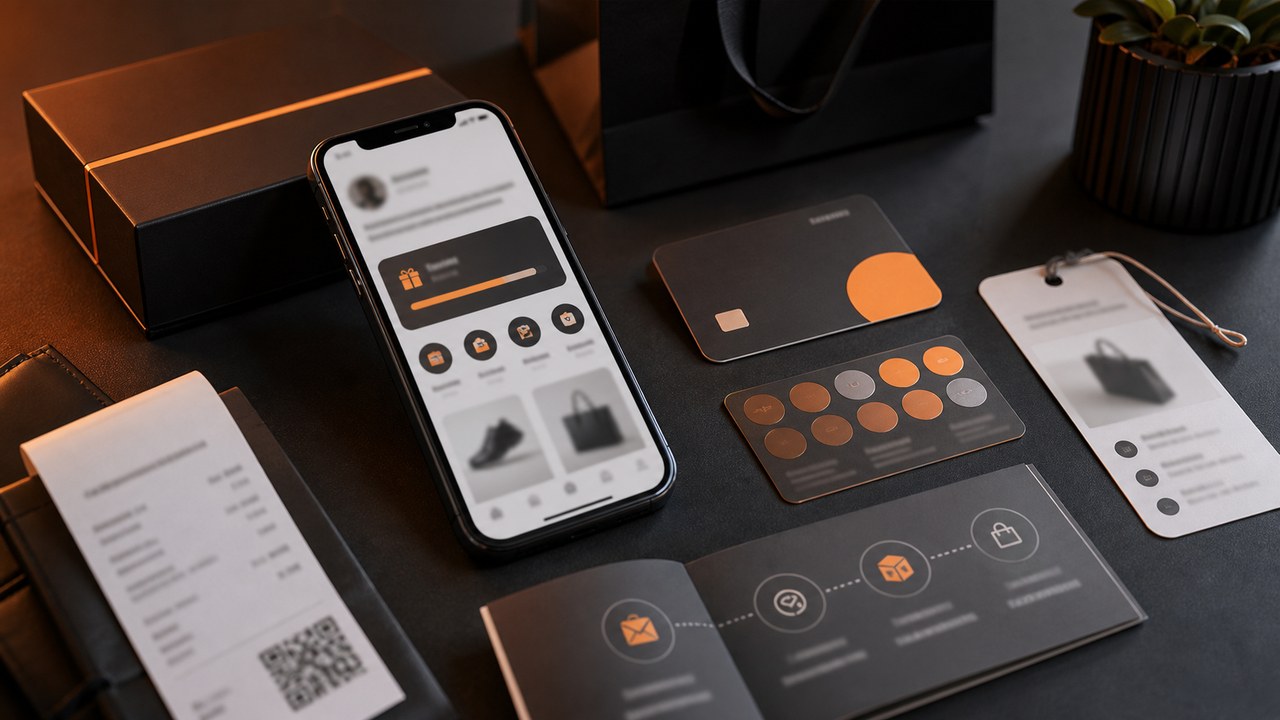
Customer engagement is becoming one of the most valuable growth levers in digital business. Acquisition costs are rising, attention is fragmented, and customers expect brands to understand their needs across websites, ecommerce stores, email, messaging, support, loyalty programs, and sales interactions. The businesses that grow more efficiently in 2026 will not only attract more visitors. They will build stronger relationships with the customers they already have.
Recent marketing and retail coverage continues to highlight the same pattern: companies with strong loyalty programs, clean customer data, useful personalization, and connected digital experiences are better positioned to increase retention and lifetime value. For Nexlla clients, this is where CRM, ecommerce, automation, analytics, and customer experience design become a single growth system.
Why Engagement Now Matters More Than Traffic Alone
Traffic can create opportunity, but engagement creates value. A visitor who lands on a website once and disappears is expensive. A customer who returns, registers, buys again, refers others, and interacts with the brand across multiple touchpoints becomes a compounding asset.
That is why customer engagement strategy has moved beyond newsletters and social posts. It now includes how a business captures consent, organizes customer data, segments audiences, responds to behavior, personalizes offers, automates follow-ups, measures retention, and connects every interaction back to a commercial goal.
The Modern Engagement Stack
A strong engagement system does not depend on one tool. It depends on how tools work together. Many businesses already have a website, CRM, ecommerce platform, email tool, analytics setup, support inbox, and paid marketing channels. The problem is that these systems often operate separately.
When data is disconnected, customer experience becomes inconsistent. A loyal buyer receives beginner messaging. A hot lead is not followed up quickly. A repeat customer sees irrelevant offers. A support issue does not inform future sales communication. These small gaps quietly reduce trust and revenue.
Core Building Blocks
- CRM integration: Centralize leads, customers, activity, source data, and lifecycle stages so teams can act from the same truth.
- Loyalty and retention flows: Reward repeat behavior, encourage referrals, and create meaningful reasons for customers to return.
- Personalized content: Adapt messages, offers, and journeys based on customer intent, purchase history, segment, and behavior.
- Lifecycle automation: Trigger timely follow-ups after signup, purchase, abandoned cart, consultation request, renewal, or inactivity.
- Analytics dashboards: Measure engagement, conversion, retention, churn signals, repeat purchase rate, and customer lifetime value.
Loyalty Programs Are Becoming Data Platforms
The best loyalty programs are not simply discount engines. They are data and experience platforms. They help brands understand what customers value, which products create repeat demand, which offers drive profitable behavior, and which touchpoints build trust.
For ecommerce businesses, loyalty can connect product discovery, product education, reviews, referrals, subscription flows, and reorder timing. For service businesses, engagement programs can support onboarding, education, consultations, account health, renewals, and long-term relationship building.
Personalization Needs Governance
Personalization can improve engagement, but only when it is useful, respectful, and well managed. Customers do not want random automation that feels intrusive. They want relevant experiences that make the next step easier.
That requires clean first-party data, consent-aware tracking, clear segmentation, strong content, and secure integrations. It also requires teams to define what should be automated, what should be reviewed by a human, and how customer data should move between systems.
How Nexlla Turns Engagement Into Revenue
Nexlla helps businesses build customer engagement systems that connect strategy, technology, and execution. That can include CRM implementation, ecommerce integration, loyalty program architecture, marketing automation, custom customer portals, analytics dashboards, content strategy, and workflow automation.
Instead of treating engagement as a campaign calendar, Nexlla designs it as an operating system for growth. Every touchpoint should answer a practical question: does this help the customer move forward, and does it help the business build a stronger relationship?
High-Intent Engagement Projects
- Connecting website forms, ecommerce orders, and customer service activity into the CRM.
- Building lifecycle campaigns for new leads, first-time buyers, loyal customers, inactive customers, and VIP accounts.
- Creating personalized landing pages and content journeys for different industries, products, or service needs.
- Automating follow-ups without losing the human quality of the relationship.
- Building dashboards that show which channels and journeys create repeat revenue.
The Takeaway
The next stage of digital growth will not be won only by the companies buying the most traffic. It will be won by the companies that understand customers better, respond faster, personalize responsibly, and turn every interaction into a more useful relationship.
Customer engagement is no longer a marketing side project. It is the infrastructure behind retention, loyalty, and repeat revenue.
Discussion
Join the conversation
Comments are moderated. We approve everything that's on-topic.
Leave a reply