

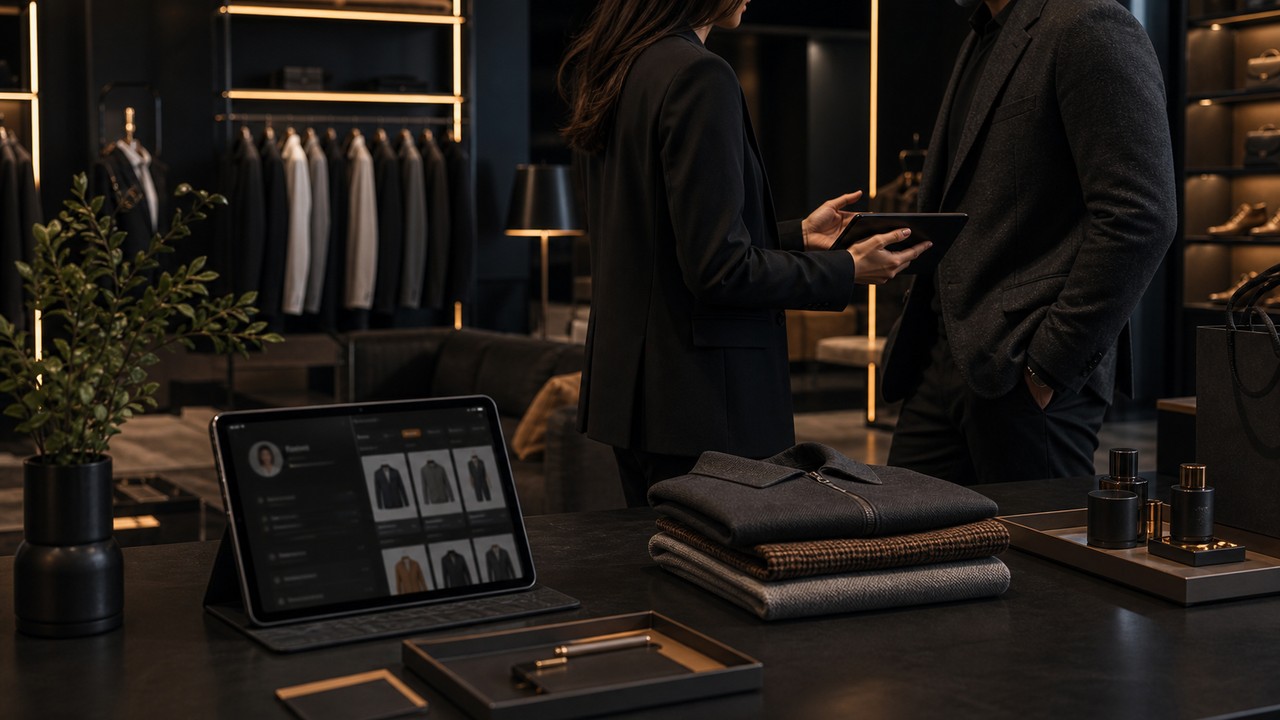
American retail is having a serious reset moment. Recent Vogue coverage published on June 29, 2026 gathered retail leaders around a clear message: stores, ecommerce, product, service, and brand identity can no longer be treated as separate pieces of the customer journey. The retailers with the strongest future are the ones that make the customer feel known, guided, and confident across every touchpoint.
That is a valuable signal for any business selling products, services, or experiences online. The next phase of retail growth is not only about launching more channels or adding more technology. It is about using digital infrastructure to make the brand more human, more useful, and more memorable.
Why This Retail News Matters For Digital Growth
The retail conversation is moving away from pure traffic and short-term discounting. Leaders are focusing on sharper brand positioning, stronger curation, better service, and more meaningful customer relationships. In the same moment, Vogue?s broader coverage of the U.S. luxury market points to renewed investment in physical retail and elevated shopping experiences across American cities.
For growing companies, the message is simple: digital transformation should not erase the human side of commerce. It should support it. A website, ecommerce platform, CRM, campaign landing page, or inventory system should help customers discover the right offer faster, understand the brand more clearly, and receive smarter follow-up after they show interest.
The New Retail Advantage: Connection Plus Infrastructure
Many businesses still think of ecommerce as a catalog and customer service as a separate department. That model is becoming too thin. Modern buyers expect the website to remember context, product pages to explain value, forms to be fast, offers to feel relevant, and sales teams to understand what the customer already viewed or requested.
The winning model combines brand experience with operational systems:
- Customer experience strategy: Every page, message, product recommendation, and follow-up should feel intentional.
- Omnichannel ecommerce: Online discovery, physical service, product availability, and customer support need to work together.
- CRM integration: Customer preferences, inquiries, carts, quotes, and service needs should move into one usable relationship layer.
- Inventory and product data: Retail teams need accurate product information, categories, variants, stock visibility, and merchandising control.
- Brand positioning: A clear point of view helps businesses stand out in markets crowded with similar products and similar content.
What Businesses Should Fix First
The strongest digital retail improvements usually begin with the places where customers already hesitate. That might be a slow product page, unclear category structure, generic checkout flow, weak mobile experience, disconnected CRM, or campaigns that send traffic to pages that do not match the promise of the ad.
Build Product Pages That Sell With Confidence
A product page should do more than display photos and a price. It should explain fit, use case, quality, delivery, service, comparison, and next steps. For premium products, complex services, or high-consideration purchases, the page should also support consultation requests, guided recommendations, and personalized follow-up.
Turn Customer Data Into Better Service
Retailers that know their customers can create better experiences. CRM data, purchase history, preferences, quote requests, loyalty signals, and support conversations should help teams personalize the next interaction without making the experience feel automated or impersonal.
Make Ecommerce Feel Curated
Customers do not want endless choice without guidance. Smart category architecture, collections, bundles, comparison content, and editorial product storytelling can make a digital storefront feel more like a trusted advisor than a database.
How Nexlla Turns Retail Experience Into A Digital Growth System
Nexlla helps businesses connect the customer-facing experience with the systems behind it. That can include ecommerce website development, product catalog architecture, custom web applications, CRM integration, marketing automation, conversion-focused landing pages, analytics dashboards, and performance optimization.
The goal is not to add technology for its own sake. The goal is to help brands create a stronger customer journey: more discovery, more trust, more qualified inquiries, and more repeat revenue.
The Nexlla Takeaway
Retail?s future is not only digital, and it is not only physical. It is relationship-driven, data-supported, and experience-led. Companies that combine brand clarity, ecommerce performance, CRM, and thoughtful customer service will be better prepared for the next stage of retail competition.
For any brand planning a website redesign, ecommerce upgrade, CRM rollout, or customer experience project, this is the right moment to build the digital foundation around what customers actually value: clarity, trust, service, and a reason to come back.
Discussion
Join the conversation
Comments are moderated. We approve everything that's on-topic.
Leave a reply